

The Seaboard Review of Books: A Wednesday Edition
March 18, 2026


In this issue:
Smash and Grab by Mark Anthony Jarman (Fiction, Short Fiction)
The Bone Finder by Peggy Blair (Fiction)
Unshaming: A Memoir of Recovery, Relapse, and What Comes After by Jowita Bydlowska (Non-Fiction)
Everybody Knows a Ghost by Elana Wolff (Poetry)
The Art of Peace—An Interview with Writers International Network Founder & President Ashok K. Bhargava (Interview, Poetry)
Thanks for reading this issue of The Seaboard Review of Books!
James M. Fisher, editor-in-chief

Fiction
Smash and Grab by Mark Anthony Jarman

Fans of Mark Anthony Jarman’s work know what to expect. That is to say, they know to expect the unexpected.
The Bone Finder by Peggy Blair

The stones of the rubble floor from the fieldstones pushed uncomfortably through the thin soles of his running shoes. There was a rusted hay bale hook lying on the stone floor and what appeared to be dried blood splattered–practically splashed–against one weathered-grey wall.
Non-Fiction
Unshaming: A Memoir of Recovery, Relapse, and What Comes After by Jowita Bydlowska

THE TROUBLE WITH HAPPY ENDINGS
Poetry

Interview
The Art of Peace—An Interview with Writers International Network Founder & President Ashok K. Bhargava

When I was named the Writers International Network (WIN) Poet Laureate, I had the pleasure of speaking with WIN founder and president Ashok K. Bhargava about his goals and inspiration for WIN Canada. It was an immense pleasure to conver…


Subscribe to Canada's oldest continuously published literary magazine and help sustain us into the future! A subscription to The Fiddlehead brings you issues packed with new work from the best of emerging and established writers in Canada and the world. Previous work that has appeared in The Fiddlehead has won National Magazine Awards, has been shortlisted for the Journey Prize, and has appeared in Biblioasis' Best Canadian anthologies. Click the image above to learn more!

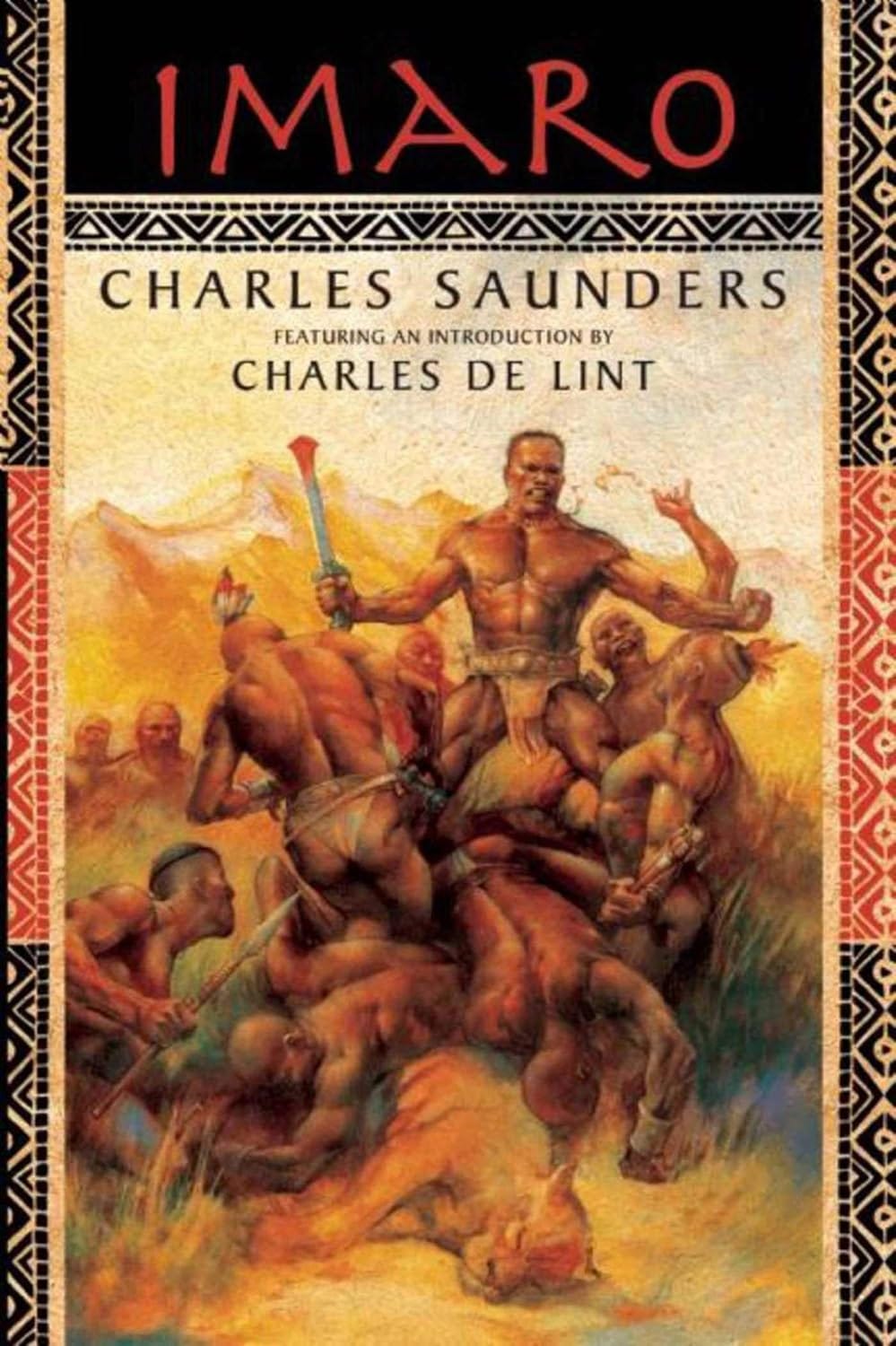
Imaro is a novel far outside my comfort zone – just the cover would usually be enough to turn me off. But I ignored my instincts and entered an ‘Africa of another world,’ a story fraught with pain and violence, pride and dignity, hatred and jealousy. Not only is Imaro fighting against men who hate him, he is also fighting the source of all the hatred, as well as the hatred within himself. Imaro is as quick as any to wield his sword, but he is also capable of kindness and fairness when given the chance. He is not someone who has been given many kindnesses and chances in life – he has had to fight for everything every step of the way. Even though this reader grew a little weary of the gory battles by the end of the novel, I can’t say I didn’t enjoy the book. Well-written with vivid descriptions of the characters, settings, and fantastical elements of “Nyumbani,” I became invested in the young boy who was left by his mother in a hostile community to fend for himself, a village in which he was constantly ridiculed, and his only friend was a cow. Even after 40 years, this novel reflects the world we live in now, where differences in appearance can have profound effects on the course of one’s life. If I were to read on in this series of three books, it wouldn’t be to see Imaro defeat his ultimate foe, it would be to watch his own personal journey of acceptance and belonging.
(My only complaint isn’t about the blood and gore, Imaro’s perfectly-formed “thews,” or the magical creatures he’s able to defeat over and over – it is only how little Imaro had to do to win the heart of the most beautiful woman – a woman who spent her life being taught how to please men. Lucky Imaro. On the other hand, this is a fantasy novel, and maybe he deserves to finally be handed something in life he doesn’t have to fight for.)
“Imaro’s blade sang a song of death as he attacked his foes. Neither swords nor shields nor leather armor nor flesh and bone could disrupt his deadly rhythm.”
(Contributed by Naomi MacKinnon)

The Seaboard Review of Books is proud to be a sponsor of The New Brunswick Book Awards!